

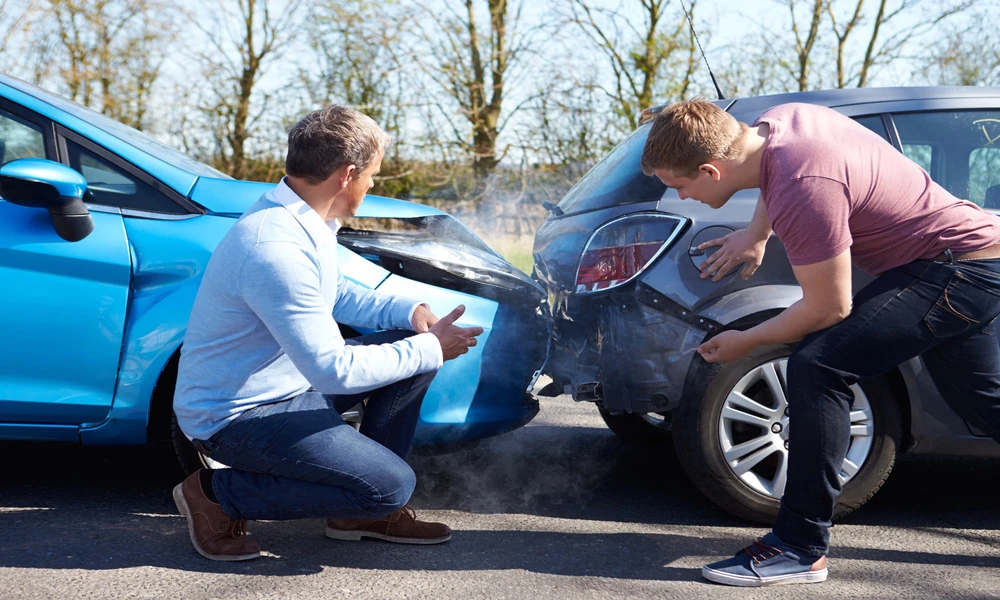
Car accidents can happen unexpectedly, leaving drivers and passengers with injuries, property damage, and uncertainty about what to do next. In a busy city like San Francisco, where traffic congestion, cyclists, pedestrians, and public transportation all share the road, collisions can involve unique legal and insurance challenges. Understanding your rights and the legal process can help you make informed decisions after an accident.
Whether the crash is minor or severe, learning how liability, insurance claims, and compensation work can reduce confusion during a stressful time. If you are researching how legal representation may fit into the process, you can learn more from the best car accident lawyer based in San Francisco with Geller Law, located at 315 Montgomery St Ste 900, San Francisco, California. For general inquiries, the firm’s contact number is +1 415-532-3318.
Why Car Accidents Are Common in San Francisco
San Francisco’s roadways present several challenges that increase the likelihood of traffic accidents. Steep hills, dense urban traffic, narrow streets, and frequent pedestrian crossings require drivers to remain especially attentive.
Some of the most common causes of accidents include:
- Distracted driving
- Speeding
- Failure to yield the right of way
- Running red lights or stop signs
- Driving under the influence
- Unsafe lane changes
- Poor weather or road conditions
In addition, the city’s heavy bicycle traffic and rideshare services create situations where multiple parties may be involved in a single collision.
Understanding California’s Fault-Based System
California follows a fault-based system for motor vehicle accidents. This means the driver responsible for causing the accident is generally responsible for the resulting damages.
To establish fault, evidence may include:
- Police reports
- Witness statements
- Photographs of the accident scene
- Traffic camera footage
- Medical records
- Vehicle damage assessments
Insurance companies often review this evidence before determining liability and evaluating claims.
Comparative Negligence Explained
California also follows the rule of pure comparative negligence. This means more than one person can share responsibility for an accident.
For example, if one driver is found 80% responsible while the other is 20% responsible, compensation may be reduced according to each person’s share of fault. This legal principle allows injured individuals to recover damages even if they were partially responsible for the collision.
What Compensation May Cover
After a car accident, compensation is intended to help restore financial losses caused by the crash.
Depending on the circumstances, damages may include:
Medical Expenses
Medical costs can quickly become significant, especially when treatment involves emergency care, surgery, rehabilitation, or ongoing therapy.
Lost Income
If injuries prevent someone from returning to work, compensation may account for wages lost during recovery and, in some cases, future reduced earning capacity.
Property Damage
Vehicle repair or replacement costs are commonly included in accident claims, along with damage to other personal property affected during the collision.
Pain and Suffering
California law may also allow recovery for non-economic damages, such as physical pain, emotional distress, and reduced quality of life following an accident.
Steps to Take After a Car Accident
Knowing what to do immediately after a collision can protect both your health and your legal interests.
Prioritize Safety
Check for injuries and call emergency services if anyone requires medical attention. Move vehicles out of traffic only if it is safe to do so.
Report the Accident
Contact local law enforcement when appropriate. An official accident report often becomes valuable evidence during insurance or legal proceedings.
Gather Information
Exchange contact and insurance information with other drivers involved.
- Vehicle damage
- Road conditions
- Traffic signs
- Skid marks
- Weather conditions
- Visible injuries
Photographs taken at the scene may become useful later.
Seek Medical Evaluation
Some injuries, including whiplash and concussions, may not show symptoms immediately. Prompt medical evaluation helps protect your health while creating documentation that may support an insurance claim.
How a Car Accident Lawyer Can Help
Many people wonder when legal representation becomes necessary. While every case differs, legal guidance may be beneficial when injuries are serious, liability is disputed, or insurance negotiations become complicated.
A car accident lawyer may assist by:
- Investigating the accident
- Collecting supporting evidence
- Communicating with insurance companies
- Calculating damages
- Negotiating settlements
- Representing clients if litigation becomes necessary
These responsibilities allow injured individuals to focus on recovery while legal matters are addressed professionally.
Challenges That Can Affect Car Accident Claims
Not every claim proceeds smoothly. Several issues may complicate the process.
Disputed Liability
Insurance companies sometimes disagree about who caused the accident. Thorough evidence collection becomes especially important in these situations.
Delayed Medical Treatment
Waiting too long to seek treatment may allow insurers to argue that injuries were unrelated to the collision.
Multiple Responsible Parties
Some accidents involve several potentially liable parties, including commercial drivers, employers, vehicle manufacturers, or government agencies responsible for roadway maintenance.
Determining responsibility may require a detailed investigation.
Understanding California’s Filing Deadline
California law generally limits the amount of time available to file a personal injury lawsuit following a car accident. Missing the applicable deadline may prevent an injured person from pursuing compensation through the courts.
Because exceptions may apply depending on the circumstances, it is helpful to become familiar with the relevant legal deadlines. General information about California courts and civil procedures can be found through the California Courts’ self-help resources.
Frequently Asked Questions
Should I accept the insurance company’s first settlement offer?
Not necessarily. Initial settlement offers may not fully account for future medical expenses, lost income, or ongoing recovery. Reviewing the full extent of damages before accepting any offer is often advisable.
Do all car accident cases go to court?
No. Many car accident claims are resolved through negotiations with insurance companies before reaching trial. Litigation typically becomes necessary only when the parties cannot agree on liability or compensation.
Can pedestrians and cyclists file accident claims?
Yes. California law allows injured pedestrians and cyclists to pursue compensation when another party’s negligence caused their injuries.
Conclusion
A car accident can create physical, emotional, and financial challenges, particularly in a busy metropolitan area like San Francisco. Understanding California’s fault-based system, the types of compensation that may be available, and the importance of gathering evidence can help individuals navigate the legal process with greater confidence.